
Globally Certified Protective Apparel Engineered for Extreme Conditions
Powered by molecular fabric technology, our advanced high-performance solutions protect personnel to ensure total operational confidence.
Engineered to withstand extreme thermal hazards, our apparel delivers certified multi-hazard protection that exceeds industry safety standards.
Our Business: An Australian specialist provider of premium, US-manufactured personal protection for high-risk environments.

Electrical

Flame and High Heat

Molten Metal

Chemicals and Cryogens
When Protection Matters Most
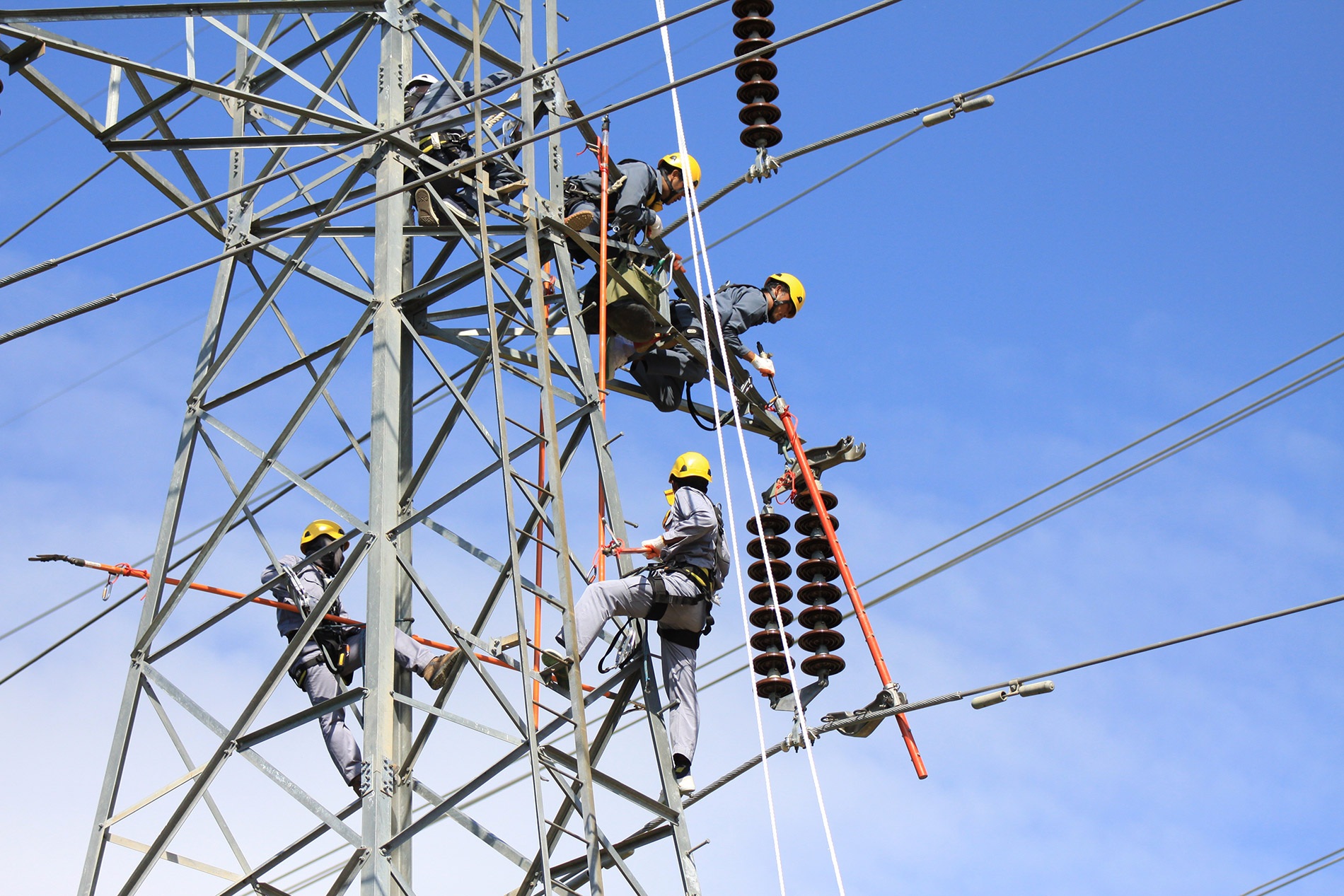
We collaborate with end users to provide the ultimate layer of protection for industrial workers facing severe thermal hazards and dangerous substances. As a vital last line of defence, our solutions form a resilient barrier that resists ignition and blocks extreme temperatures, buying workers the crucial extra seconds they need to stay safe.
Beyond Regulatory Compliance
Our high-performance solutions go beyond basic regulatory compliance. By integrating advanced, inherent thermal protection, they deliver proactive defence against severe hazards in the world's most complex, high-risk environments.

Advanced Material Technologies
When protection is engineered at the molecular level, safety becomes a permanent property of the fibre that never fades with wear or laundering. By building thermal resistance directly into the material's DNA, manufacturers deliver a highly reliable, long-lasting textile that guarantees uncompromised protection from the very first thread.
Flame Resistant and Arc Rated Rainwear
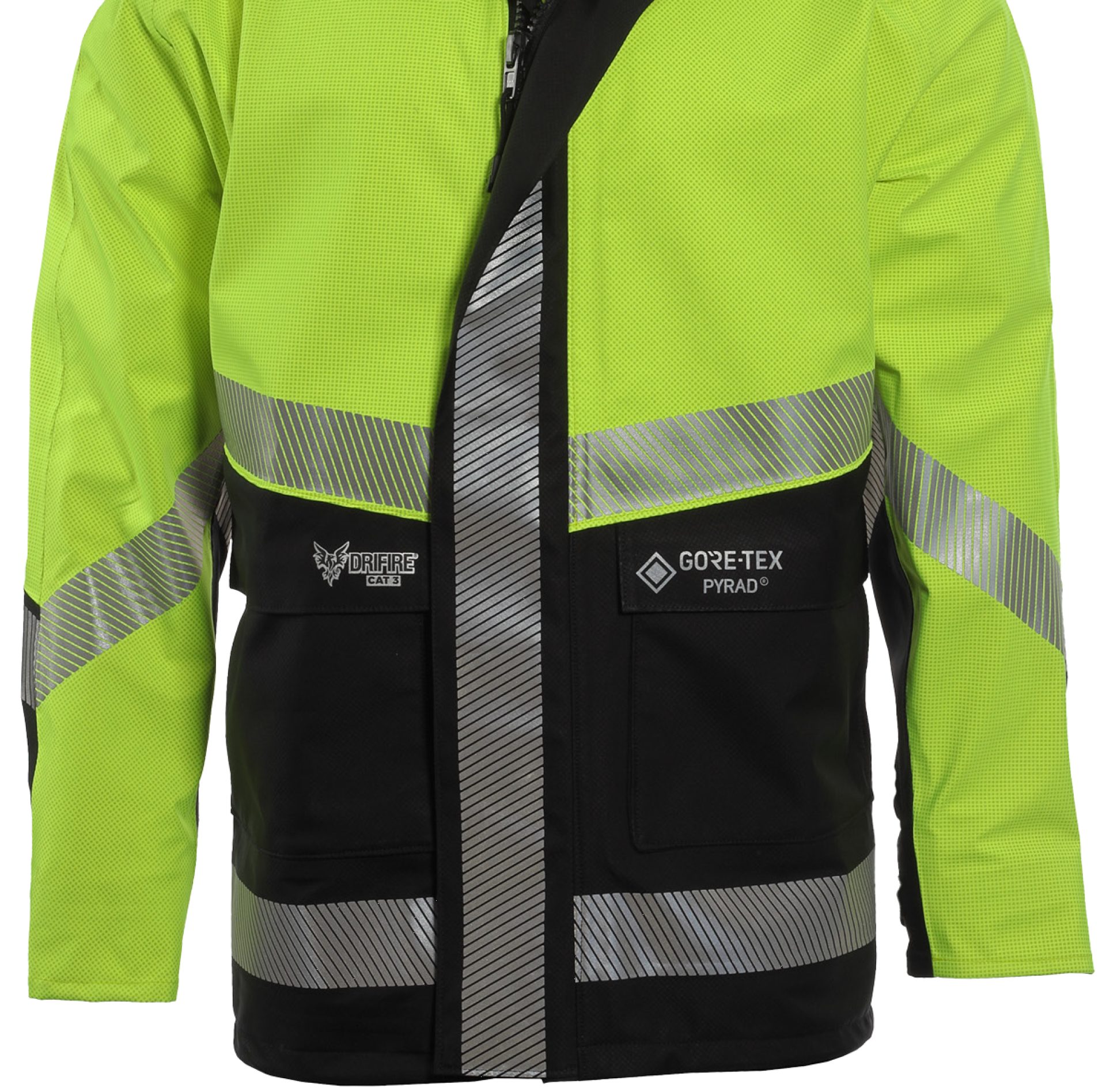
DRIFIRE® and NASCO offer CAT 2 and CAT 3 FR/AR Rainwear Systems designed for workers facing heavy rain, changing weather and demanding jobsite conditions.
The portfolio combines wet-weather protection with options for arc flash, flash fire, high visibility, mobility, breathability and long-term durability.
Our Solutions Portfolio
National Safety Apparel
Cryogenic
DRIFIRE® FR/AR
ENESPRO® FR/ARC
NSA® High Heat FR/AR
Overview
Ultra-Low Temperature Cryogens
Hi Vis / Non-Hi Vis Primary / Secondary Workwear
Primary Electrical
Primary Aluminised | Secondary Base Layers, Workwear, Outer Layers
NASCO Industries
ArcWear™ Hi Vis FR/AR Outerwear
PetroWear™ Hi Vis FR/AR Outerwear
Fleece Apparel (FR/AR)
Overview
Electrical, Petrochemical, Chemicals, Heavy Industry, Weather
Electrical, Petrochemical, Chemicals, Oil and Gas, Heavy Industry, Weather
Secondary Workwear
Australian PPE
Australian Manufactured
Overview
PR97® FR Hot Metal Apparel | Industrial FR Sock | FR/AS Life Vest Systems
Related Content
Equip for Critical Workplace Threats
Equipping employees with proper PPE is vital because workplace protocols alone cannot completely eliminate inherent industrial hazards. While strict safety procedures and administrative controls significantly lower operational risks, unpredictable variables like equipment malfunction, human error and sudden environment shifts mean that the threat of severe injury always remains.


Meet or Exceed Consensus Standards
FR/AR solutions are designed to meet or exceed consensus standards for the personal protection needs of workers, no matter where they work in the world. Consensus standards ensure products and services are safe, reliable and of good quality. Consensus standards are responsible for maintaining uniformity in all areas across the globe.
Select Inherent FR/AR Technologies
Arc flash and flash fire events are unpredictable and can be fatal. That's why workers who face on-the-job threats of electric arc and flash fire hazards rely on PPE solutions that do not ignite, melt or degrade in heat. Their properties are intrinsic, permanent and cannot be washed away or worn out.
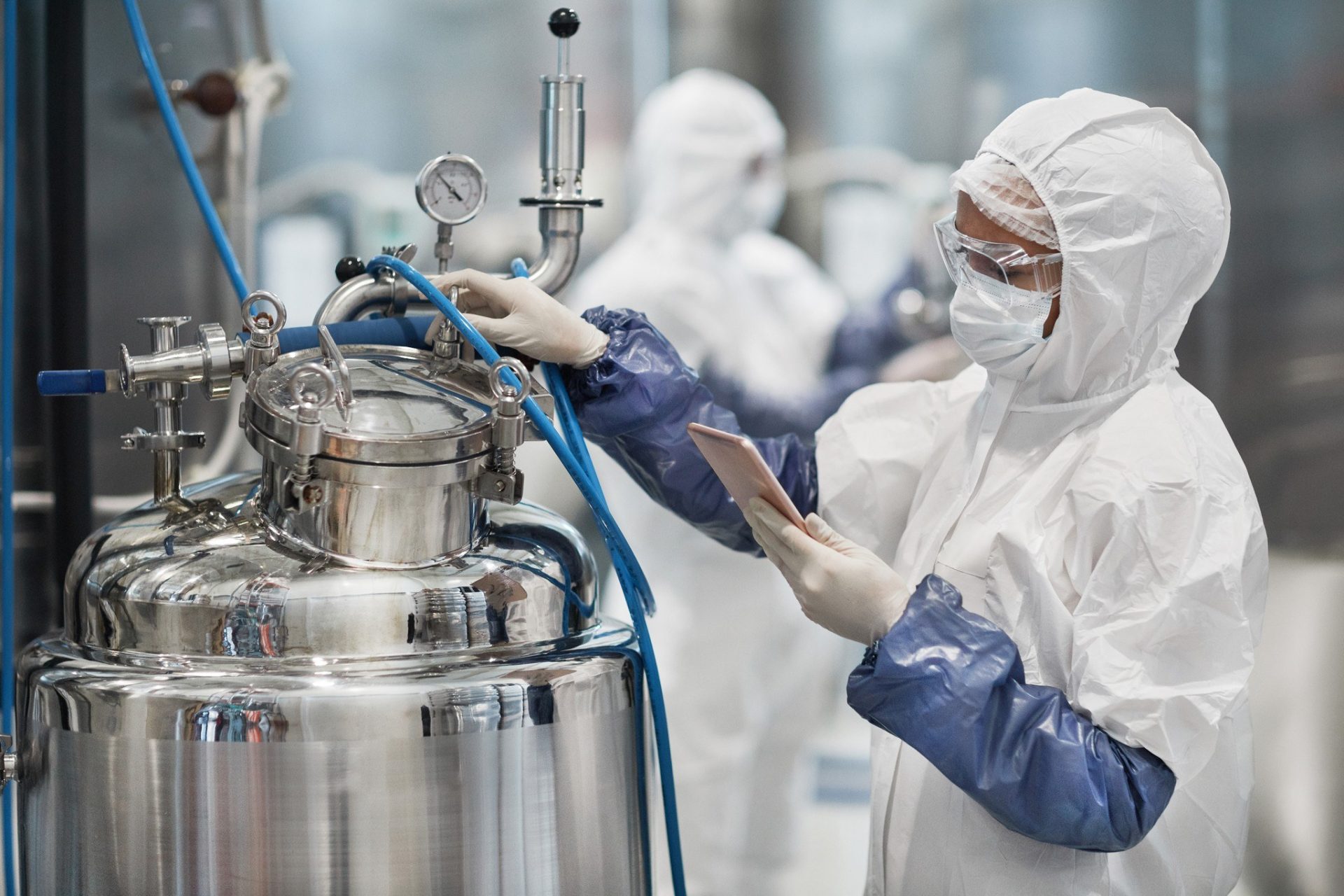
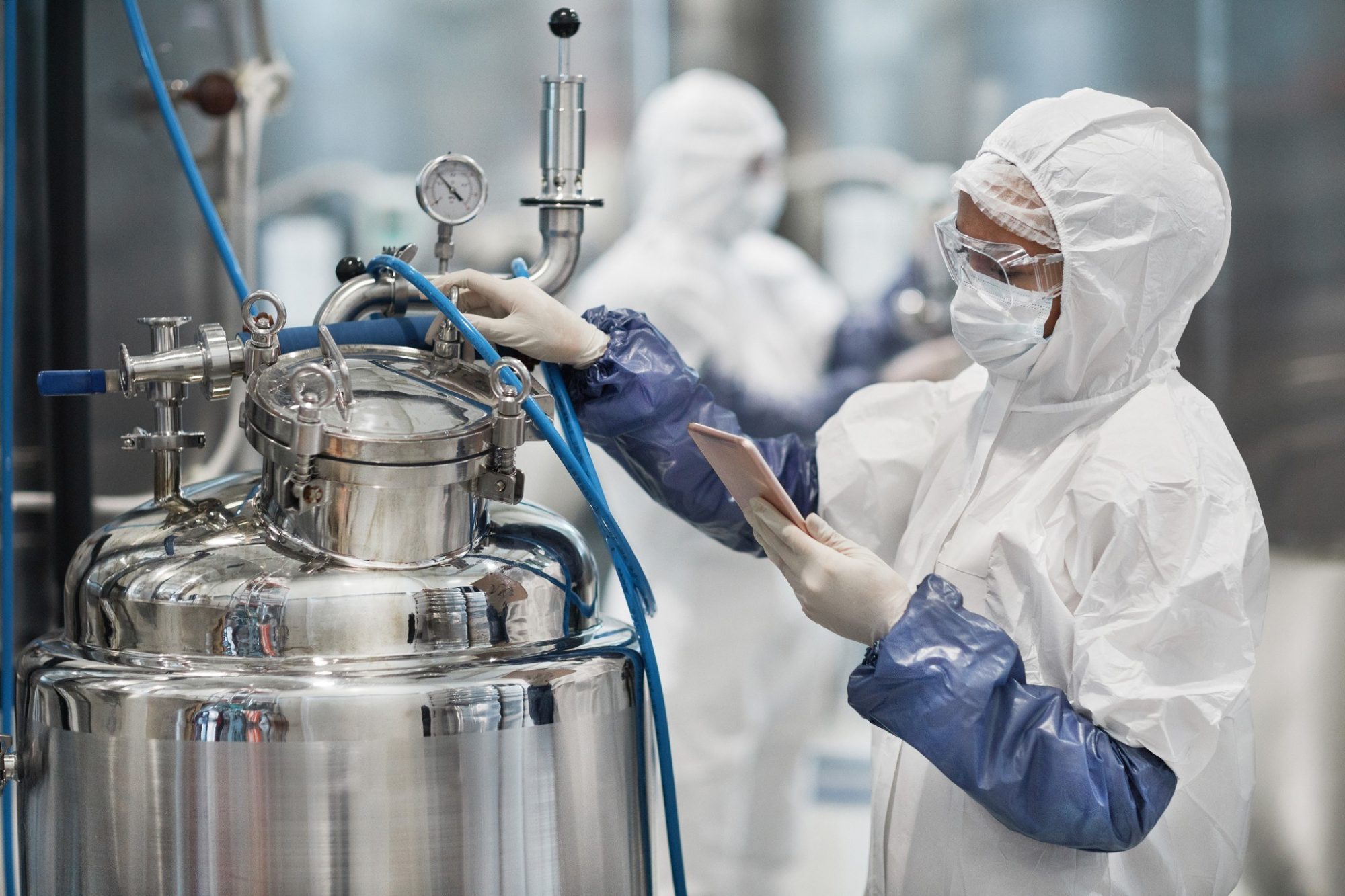
Protect for Chemical Splash
Dangerous substances such as industrial chemicals, steam and hot liquids require the appropriate level of splash protection apparel to reduce hazardous substance exposure to the direct skin. Injuries sustained from these hazards are not only difficult to recover from, but they can also be deadly.
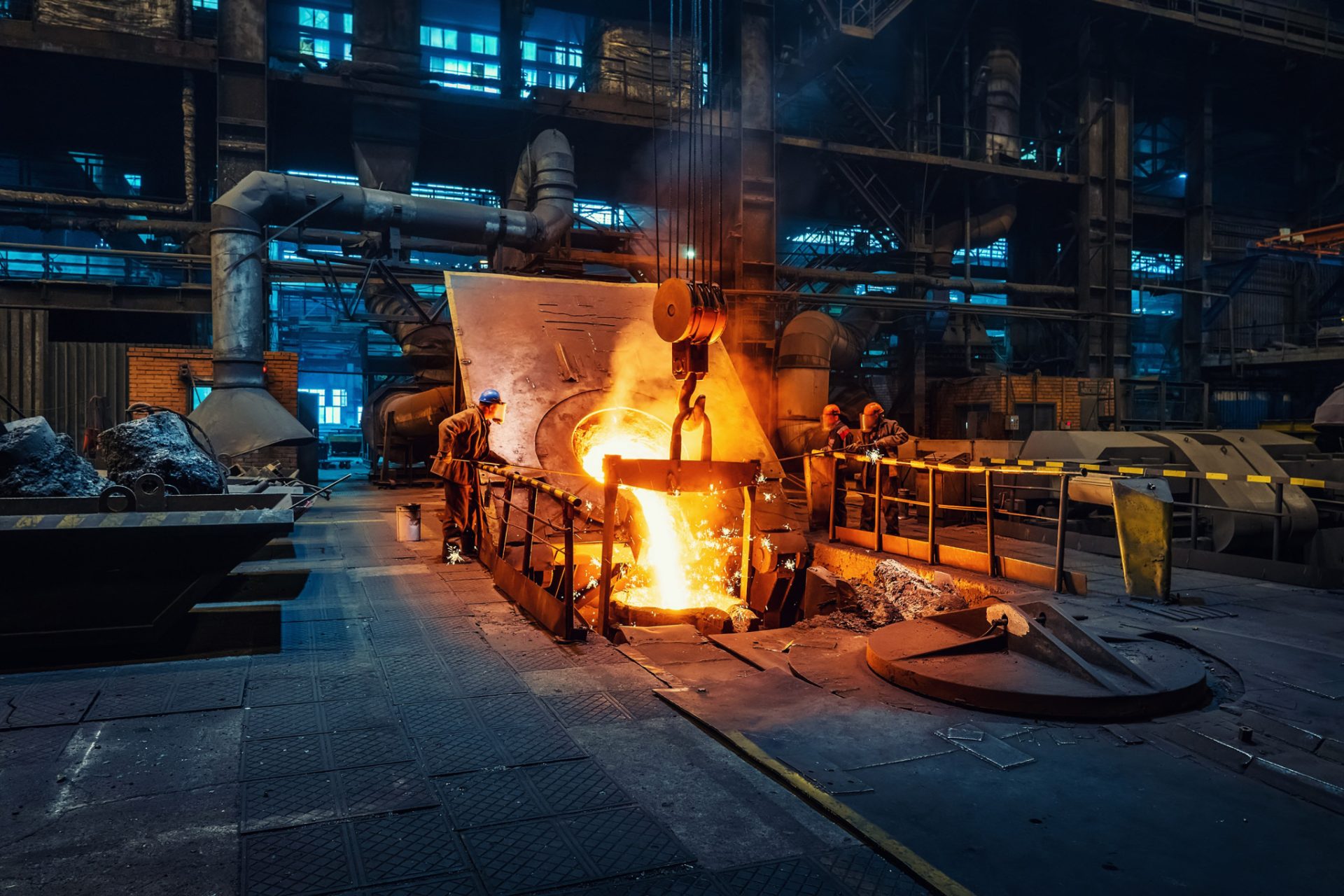
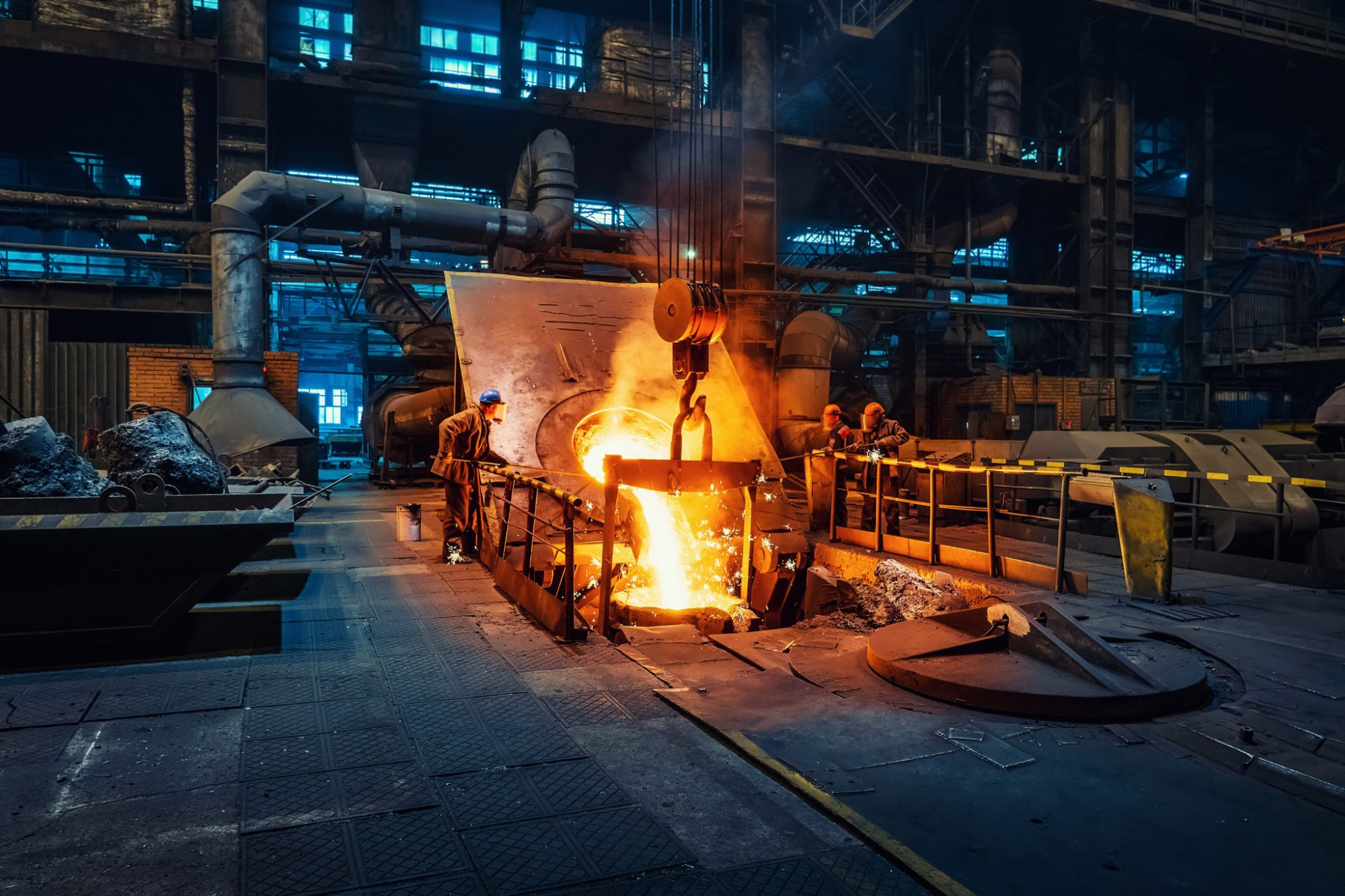
Protect for Hot Metal and Thermal Radiation
The dangers of hot metal and thermal radiation include severe burns from contact or metal splashes, heat stress and heatstroke from prolonged exposure, potential explosions from steam or chemical reactions with moisture and eye damage from infrared and ultraviolet radiation.
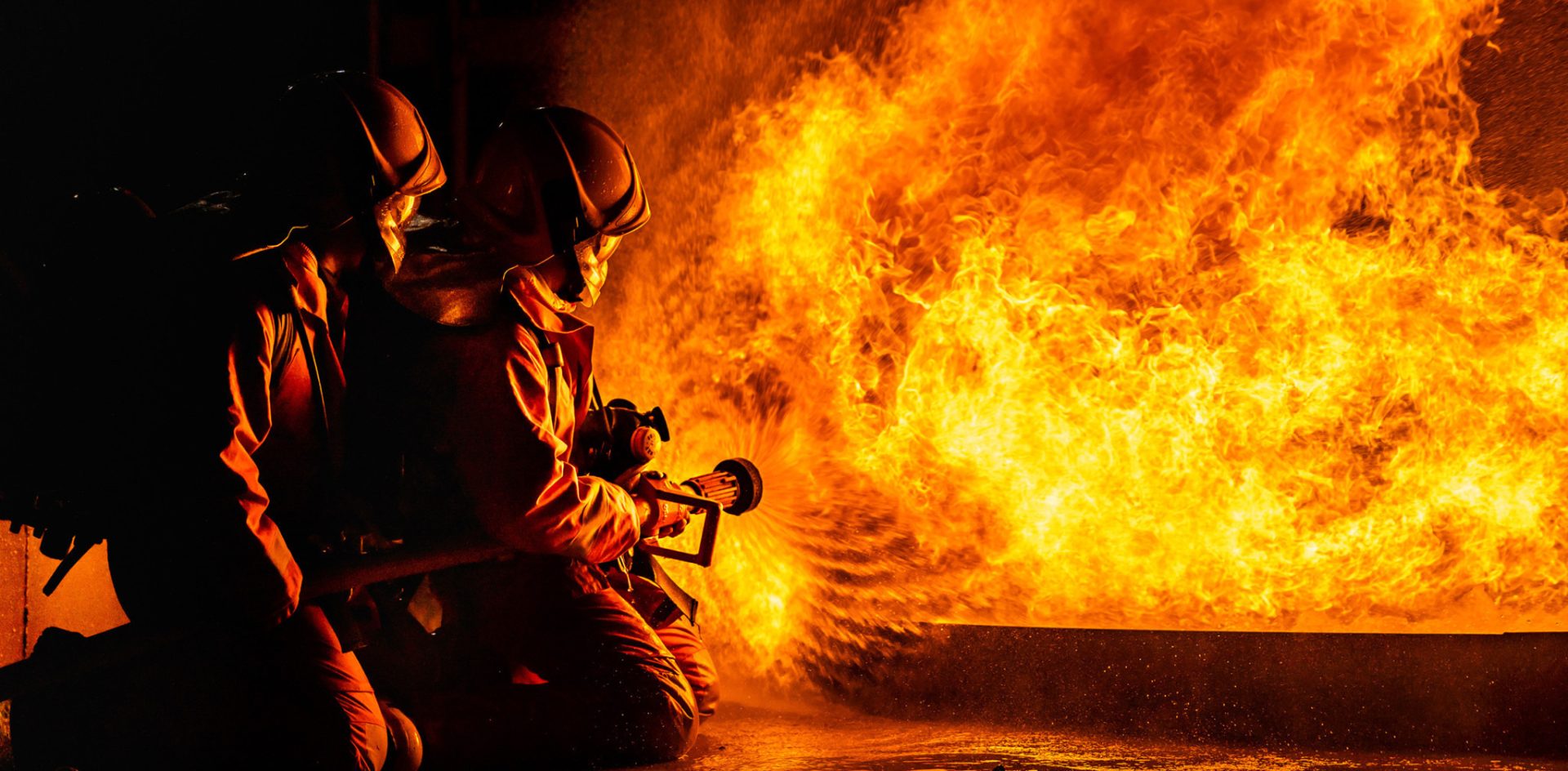
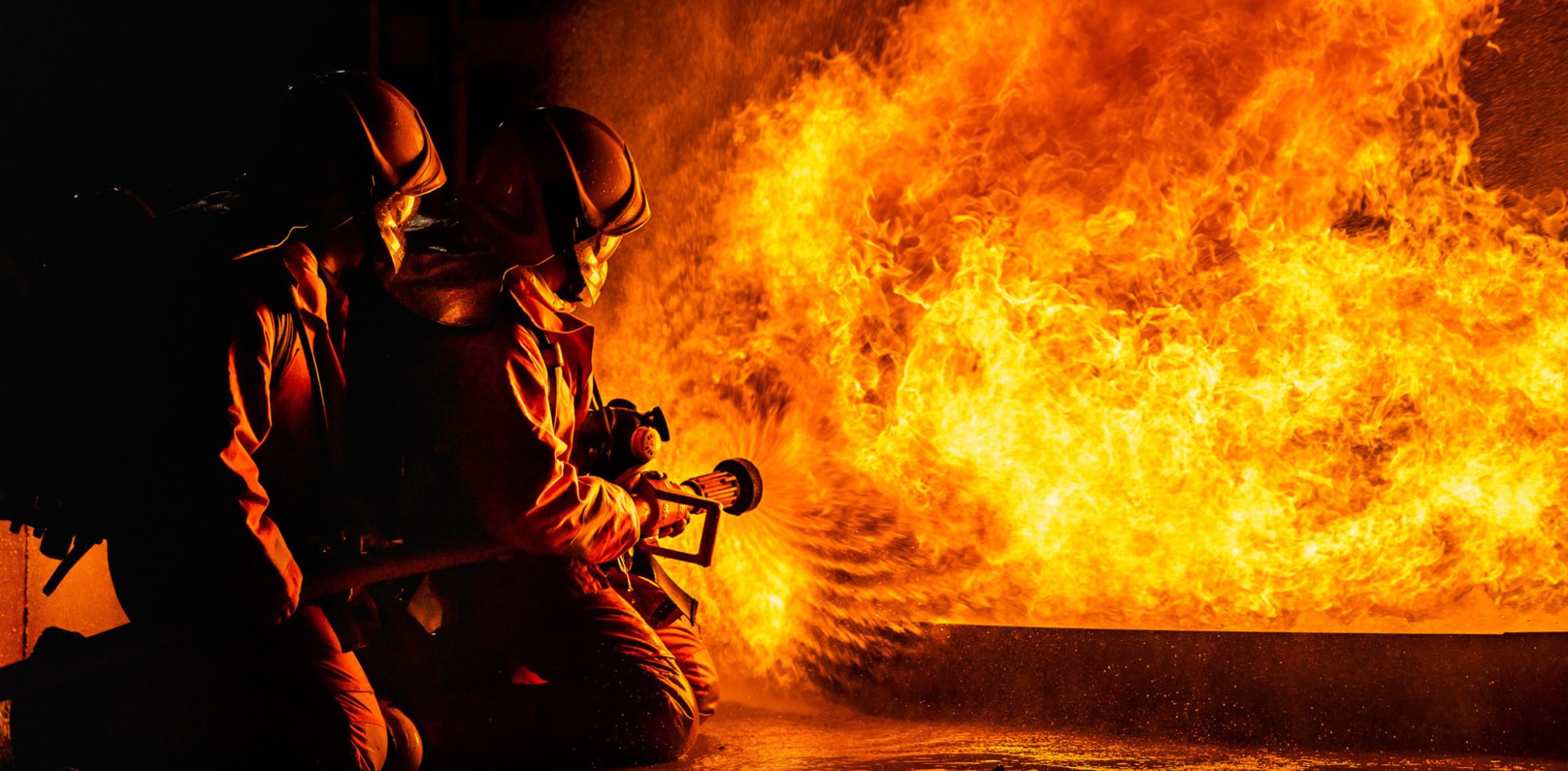
Protect for High Heat
In extreme heat conditions, individuals face risks like dehydration, heat exhaustion, heatstroke, cognitive impairment and even passing out. The combination of physical exertion, high temperatures and FR/AR protective clothing that may inhibit natural cooling can lead to severe physiological effects. For example, heatstroke worsens pre-existing chronic conditions, especially those affecting the heart, kidneys and lungs, by placing significant strain on the cardiovascular system.