

Flame Resistant (FR) or Arc Rated (AR)
Leading AR (arc rated) fabrics include Arclin Nomex® and Kevlar®, Kermel, Protex® Modacrylic and Westex® UltraSoft®. AR, when referring to PPE fabrics, typically means the fabric is designed to protect against arc flash and has been tested for Arc Thermal Performance Value (ATPV) and/or Energy Break-open Threshold (Ebt).
These fabrics are also inherently FR (flame resistant) but not all FR materials are arc rated. Arc rated fabrics are specifically tested to determine the incident energy (cal/cm2) at which there is a 50% chance of a second-degree burn.
When choosing an FR or AR fabric, the specific hazard must firstly be identified. FR provides general flame protection, while AR offers protection against the intense heat of an arc flash event. Key factors for decision-making include the wearer's industry and work environment, potential risks (flash fire vs arc flash), comfort and the need for proper layering and compliance with safety regulations.
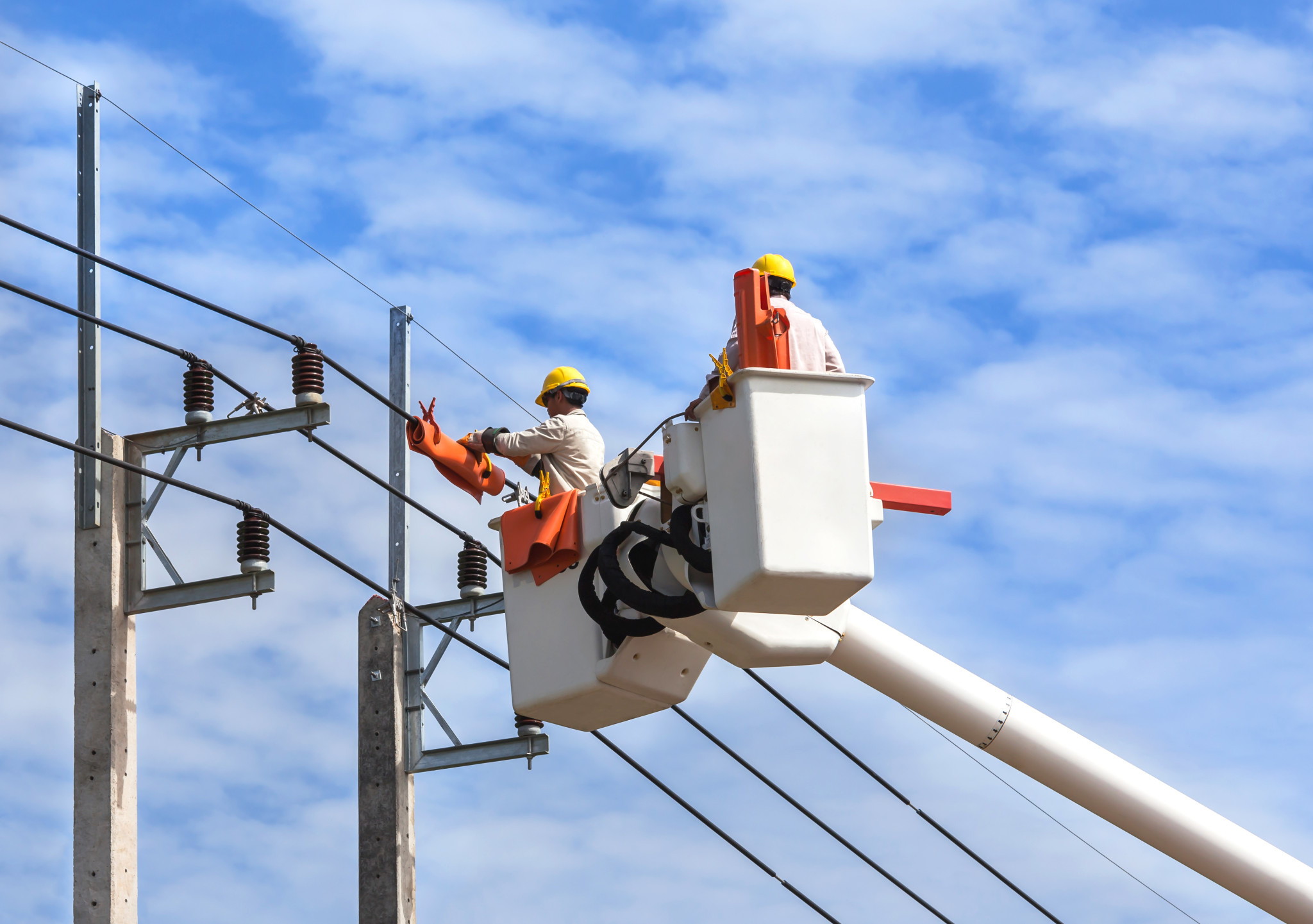
For a fabric to rate AR it must firstly rate FR.
PPE arc ratings must meet or exceed the calculated incident energy.
Testing for ATPV and Ebt
NFPA 70E Scope
The NFPA 70E Committee created the term "arc rated" to foster a more precise selection process for AR PPE - helping wearers to choose an option they feel confident wearing when facing an arc flash hazard at work. The fact that arc rated clothing is of course FR, numerous safety and industry personnel refer to AR clothing as FR/AR clothing for clarifying purposes.
When is a Fabric Considered 'Arc Rated'?
To determine the arc rating of an AR fabric, noting that all AR fabrics must also be FR (ASTM D6413 or Vertical Flame Test), 21 fabric samples are exposed to an intense arc flash at a range of incident energies and the transfer of heat through the fabric is measured by thermal sensors - a testing process referred to as the ASTM F1959 method. Next, Stoll Curve modelling predicts the likelihood of heat transfer through the fabric to cause the onset of a second-degree burn and the resulting energy value becomes the arc rating of the fabric - expressed as a single number in cal/cm2 units as either the Arc Thermal Performance Value (ATPV) or Energy Break-open Threshold (Ebt). If the Ebt value is found to be above the determined ATPV, then the ATPV value is reported as the arc rating.
The ATPV or Ebt value of a fabric provides the manufacturer with the information they need to effectively report the arc rating number for the arc rated fabric or layered system. Garment manufacturers must ensure the numerical value is visible on the internal label or an external part of all arc rated PPE.
It is crucial for workplace safety professionals to understand the difference between FR and AR. While these terms protect against thermal hazards they play distinct roles. Ultimately, by understanding the difference between FR and AR terms, professionals can make informed decisions to better protect their workers from the hazards they face.
Fabric test methods for evaluating flash fire and performance for baseline arc flash.
- ASTM D6413 Vertical Flame Test
- ASTM F1506 Flame Resistance
- NFPA 2112 Flash Fire
- ASTM F1930 Instrumented Mannequin Test
- ASTM F1959 ATPV / Ebt
Determining the Hazard Level
INCIDENT ENERGY ANALYSIS: Determining the incident energy level is the preferred method for selecting AR PPE. Qualified professionals perform incident energy analysis to determine the potential energy (in calories per square centimetre) a worker could be exposed to.
AR RATED PPE CATEGORY METHOD: NFPA 70E Table 130.7 (C) (16) Personal Protective Equipment (PPE), sets out the PPE hazard risk category classifications (PPE Category 1, 2, 3 or 4) based on the PPE type. Each category has a minimum required AR value for the PPE.
MATCHING PPE TO THE ARC RATING: The chosen PPE must have an Arc Rating that meets or exceeds the calculated incident energy or the AR rating for its assigned PPE category.