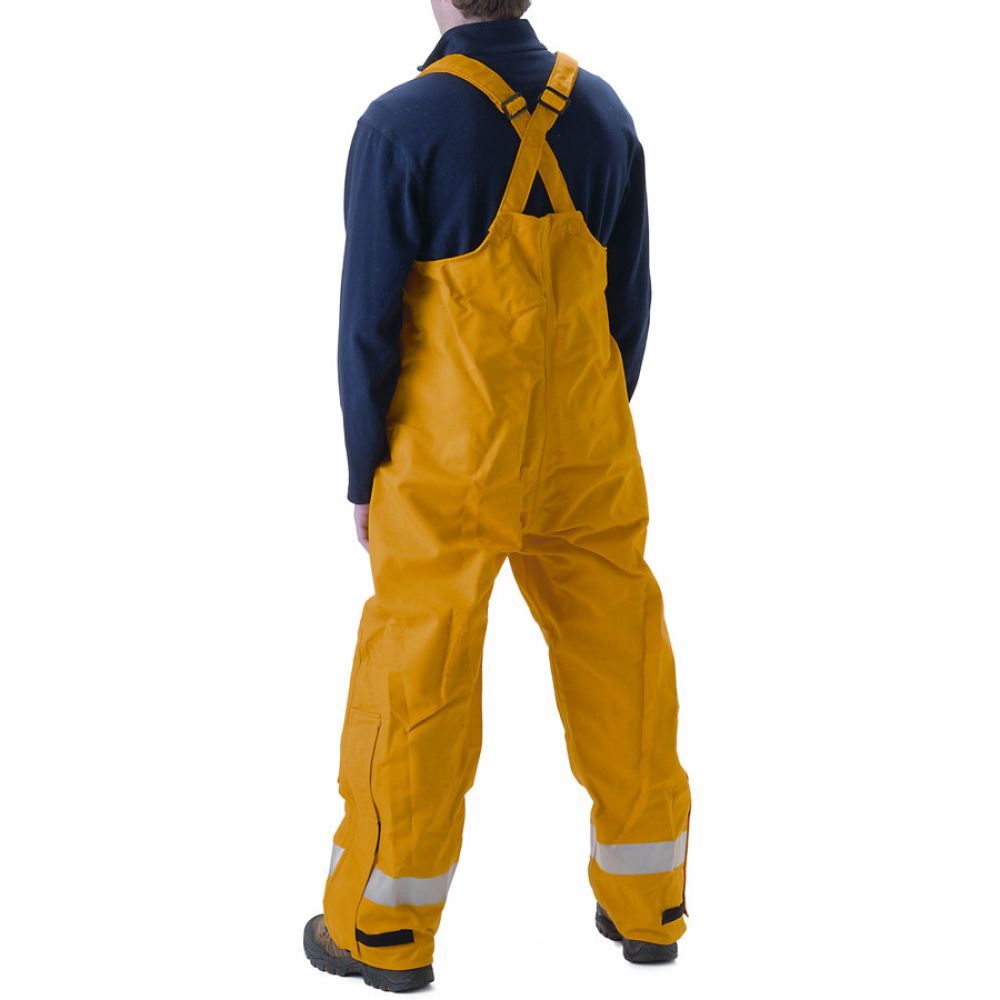
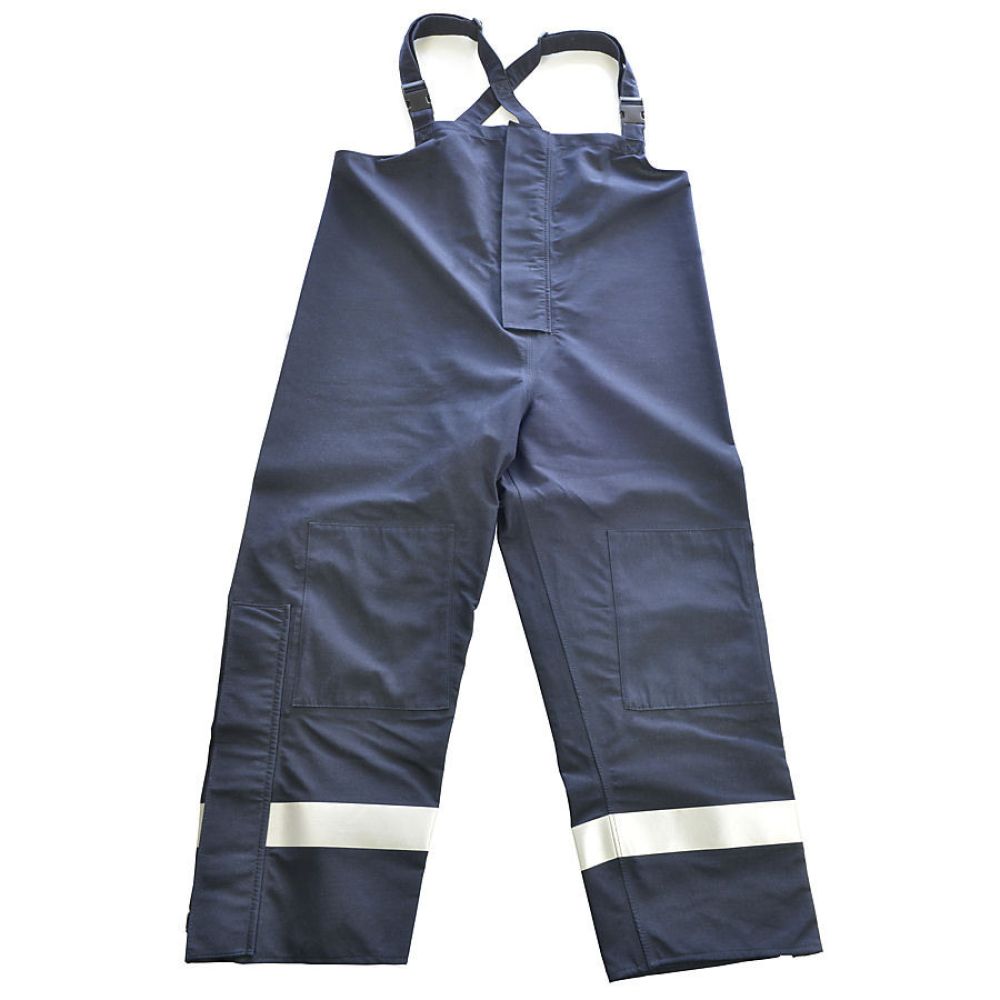
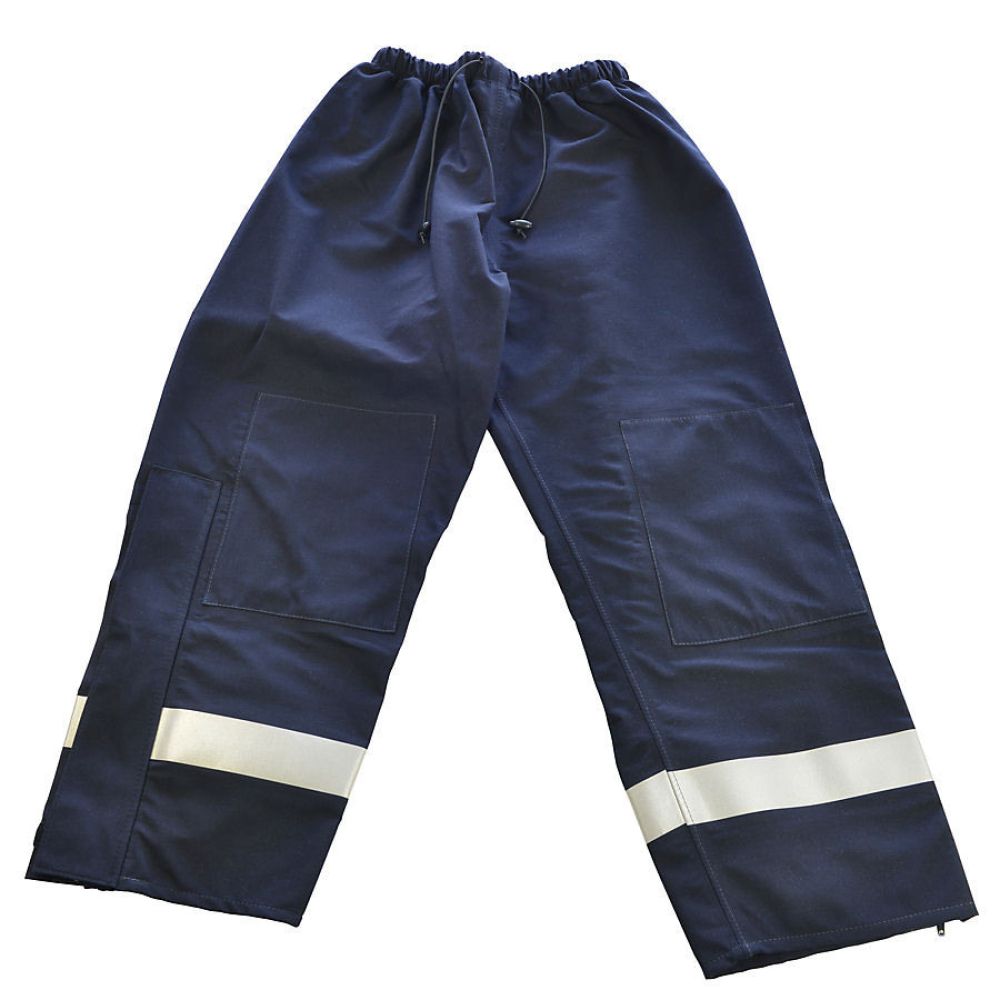
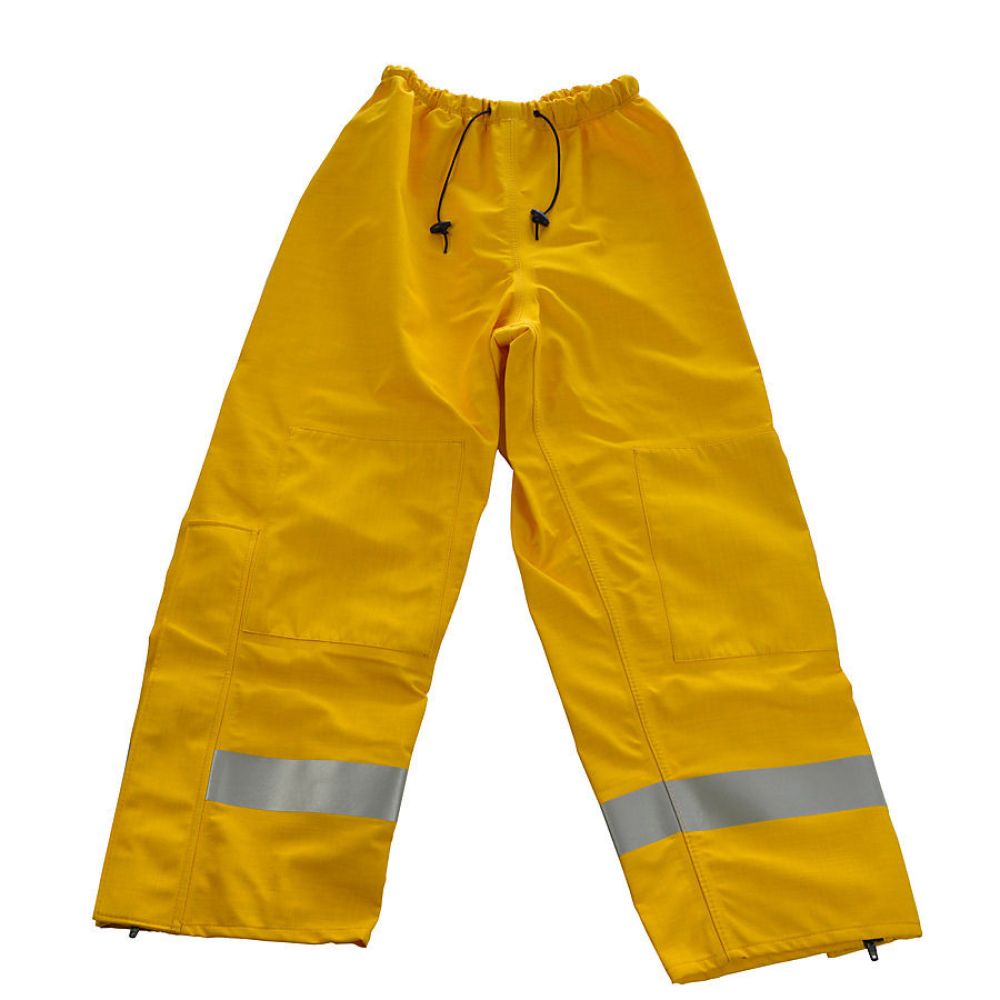
Outer Shell Fabric: Nomex® | Kevlar® (Nomex® IIIA)
When exposed to intense heat, Nomex® IIIA, a blend of Nomex® (93%), Kevlar® (5%) and P-140 carbon-core antistatic fibre (2%), thickens and carbonises creating a char layer that acts as a robust insulating barrier, protecting the wearer from heat exposure and providing crucial extra seconds of safety. The fabric's thickening process increases its volume and creates air pockets, which enhances its insulating capacity to further reduce heat transfer to the wearer. The inclusion of P-140 carbon-core antistatic dissipative fibre helps dissipate static electricity, critical in flammable industrial environments. The benefits of Nomex® fibre alone are immeasurable: Nomex® is an inherently heat and flame resistant meta-aramid fibre that won't melt, drip or support combustion in air, providing a superior barrier for what's inside from the hazards around it. The unique structure of Nomex® fibre is non-flammable, so performance is built in and can't be washed or worn away.
Inside Fabric: Nomex® Knit
Nomex® Jersey Knit is a specialised, inherently flame resistant fabric that combines the protective properties of Nomex® aramid fibres with the comfort, flexibility and stretch of a knitted construction. It works through a combination of inherent meta-aramid chemistry (for heat resistance) and a knitted structure (for comfort, breathability and stretch). Nomex® knitted fabric provides permanent flame resistance that does not melt or drip, creating a protective char barrier and dissipating heat while offering flexibility for demanding tasks.
Moisture Barrier: PTFE
PTFE (Polytetrafluoroethylene) provides a high-performance, hydrophobic and extremely chemically inert shield that prevents water intrusion while allowing breathability, making it an ideal protective coating. It has a high melting point and low friction. Fabrics are typically engineered by coating or blending PTFE with other high-performance fibres, such as Nomex® and Kevlar® aramids to create protective workwear for demanding industrial environments, including electrical arc flash hazards.